

Your staircase is one of the hardest-working parts of your home. It takes traffic every single day, and the balustrade picks up fingerprints, dust, and general household grime quickly. Keeping it in good condition does not require much time or specialist products. You just need the right approach for each material.
This guide covers cleaning and basic maintenance for all the main balustrade materials: glass, oak and timber, painted wood, stainless steel, and spindles. It applies whether your staircase is a recent refurbishment or has been in place for years.
A quick wipe-down during your regular housework routine is usually enough to keep things looking presentable. For a more thorough clean, fortnightly is a good target for most households.
Glass panels show smudges and fingerprints faster than any other material, so homes with young children or pets may need more frequent attention. Oak and painted wood are more forgiving and generally only need a deeper clean once a month. Stainless steel is the lowest-maintenance option, with fingerprints being the main concern, and these come off easily with a damp cloth.
Glass is the most popular choice for stair refurbishment kits and it does require a little care to keep it looking its best. The process is straightforward once you know what to use and what to avoid.
StairFurb sells a cleaning kit that includes a microfibre cloth and glass cleaning fluid formulated for streak-free results.
One important tip: do not clean glass panels in direct sunlight. The heat causes the cleaner to set before you can buff it off, and streaks become much harder to remove once this happens.
Timber handrails are one of the most neglected parts of a staircase. Dust builds up quickly, particularly in the grooves and joins, and it is worth making a habit of wiping them down regularly.
Use a dry microfibre cloth for dusting. For a deeper clean, a damp cloth with a small amount of mild soap and warm water is sufficient for most marks. Wipe in a back-and-forth motion and pay attention to the joins at the top and bottom rail where debris collects.
A natural alternative that works well on timber is a solution of lukewarm water and white vinegar at a 4:1 ratio. Vinegar is safe for wood and effective at cutting through grease and general grime without damaging the surface.
For marks that do not shift with soap and water, a small amount of mineral spirits applied with a cloth can help. Test this on a small, inconspicuous area first before applying it more widely.
StairFurb oak timber components come finished with a clear acrylic coating. These generally only need a regular wipe-down to stay in good condition. Touch-up pots are available if the finish needs refreshing. Contact the team directly for availability.
Always wipe timber dry after cleaning. Do not allow water to sit on the surface.
Painted handrails need a gentler approach than bare timber. The paint finish can scuff or dull if you use the wrong products or apply too much pressure.
A soft damp cloth with a mild soap solution is all you need for most everyday cleaning. Use light pressure and work along the length of the rail rather than scrubbing at a single spot.
A small amount of white spirit on a cloth can lift surface marks without damaging most paint finishes. Test on an inconspicuous area first. Avoid bleach-based products and abrasive cleaners, as these will strip or dull the finish.
If the paint is wearing in high-contact areas around newel posts or where hands grip regularly, touch-up painting is a straightforward fix with the right finish.
Spindles have a large combined surface area and collect dust quickly. They are easy to overlook during a clean but make a noticeable difference to the overall look of the staircase when kept on top of.
Dust spindles with a dry microfibre cloth, working from top to bottom. For a deeper clean, use a damp cloth with a mild wood cleaner or soap solution, and make sure you get into the joins at the top and bottom rail where dust settles.
Avoid soaking wooden spindles, particularly if they are painted or have not been finished with a protective coating.
Stainless steel is by far the easiest balustrade material to maintain. Dust does not cling to it the way it does to timber, and most marks are fingerprints that wipe off easily.
A damp cloth and warm water is sufficient for regular cleaning. No specialist product is needed in most cases. Dry the surface after wiping to avoid water marks.
For marks that do not lift with water, use a dedicated stainless steel cleaner applied with a soft cloth. Work in the direction of the grain to avoid leaving visible marks on the surface.
Chlorine-containing products, including many household bleach-based sprays, can cause corrosion on stainless steel over time. Check the label before using any cleaning product on steel components. If in doubt, warm water and a cloth will do the job.For guidance on stainless steel spindle balustrade kits, including care instructions specific to your kit, the StairFurb team can advise directly.

Cleaning keeps your staircase looking good. Regular maintenance checks keep it safe. These are two separate things, and it is worth doing a quick inspection every few months or any time you notice a change such as a new creak, a wobble, or a fitting that feels different underfoot.
If a handrail is loose at the newel post and tightening fixings does not resolve it, contact a qualified joiner. If a glass panel has shifted significantly in its clamps, take the staircase out of use until it has been inspected. For product-specific queries on a StairFurb kit, please contact our team.
| Material | Routine clean | Deeper clean | Key things to avoid |
| Glass panels | Weekly | Fortnightly | Corrosive cleaners, cleaning in direct sunlight |
| Oak and timber handrails | Weekly | Monthly | Soaking, harsh solvents |
| Painted handrails | Weekly | As needed | Scrubbing, bleach-based products |
| Wooden spindles | Weekly | Monthly | Soaking |
| Stainless steel | As needed | Monthly | Chlorine-based cleaners |
If you are at the stage of considering a refurbishment rather than just maintaining what you have, the StairFurb glass balustrade range covers a variety of styles to suit different homes and budgets. All kits are made to measure and designed for DIY installation. For more information on how the process works, visit the installation page.



Share pictures of your staircase and we'll provide a quote, plus offer expert help with measurements with a video call.
Grab your tape measure and follow our step-by-step video tutorials to get your quote

Get help measuring and a free no-obligation quote on a free 20-minute video call from the comfort of your own home. Speak with our expert team about your staircase upgrade.
 BOOK CALL NOW
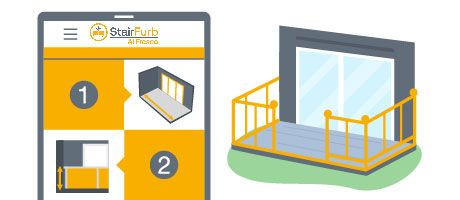
Measure your staircase using our online video tutorials and input them into our online configurator for a free, no-obligation quote. It takes less than 15 minutes.
 START DIY QUOTE

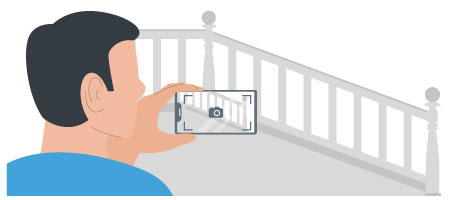
 GET PHOTO ESTIMATE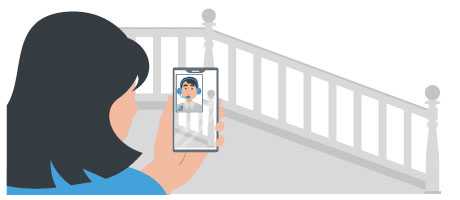
 BOOK CALL NOW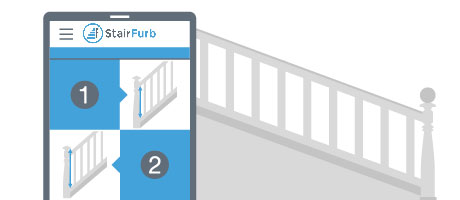
 START DIY QUOTE